

\ Case Studies
Mara Elephant Project: Connecting Conservation Missions with Real-Time Visibility Through Vellox Fleet Manager
Mara Elephant Project: Connecting Conservation Missions with Real-Time Visibility Through Vellox Fleet Manager
Mara Elephant Project relies on its helicopter as a core part of its conservation work. Fleet Manager gives the team real-time visibility of the aircraft, supports pilot safety, and creates a reliable record of each mission.
30 September 2026
Results at a glance
- Monthly reporting cut from 2–3 days to hours- MEP CEO and Pilot located within approximately 1.5 hours after sending his position following a helicopter starter failure, despite a total communications blackout.- Up to 5 distinct helicopter operations tracked and recorded per day- Fleet expanding from 1 aircraft to 2, already supported by Fleet Manager
- Monthly reporting cut from 2–3 days to hours
- MEP CEO and Pilot located within approximately 1.5 hours after sending his position following a helicopter starter failure, despite a total communications blackout.
- Up to 5 distinct helicopter operations tracked and recorded per day
- Fleet expanding from 1 aircraft to 2, already supported by Fleet Manager
About Mara Elephant Project
Mara Elephant Project (MEP) has been protecting elephants and their habitat in Kenya’s Greater Mara Ecosystem since 2011.
Initially established in response to severe elephant poaching, MEP built ranger teams and an intelligence capability that worked alongside government partners to disrupt poaching networks. As that threat declined, the organisation increasingly turned its attention to human-elephant conflict.
Today, its work spans elephant protection, research, habitat conservation and conflict mitigation. More than a dozen ranger teams operate across the ecosystem, supported by aerial operations that reach areas difficult to access from the ground.
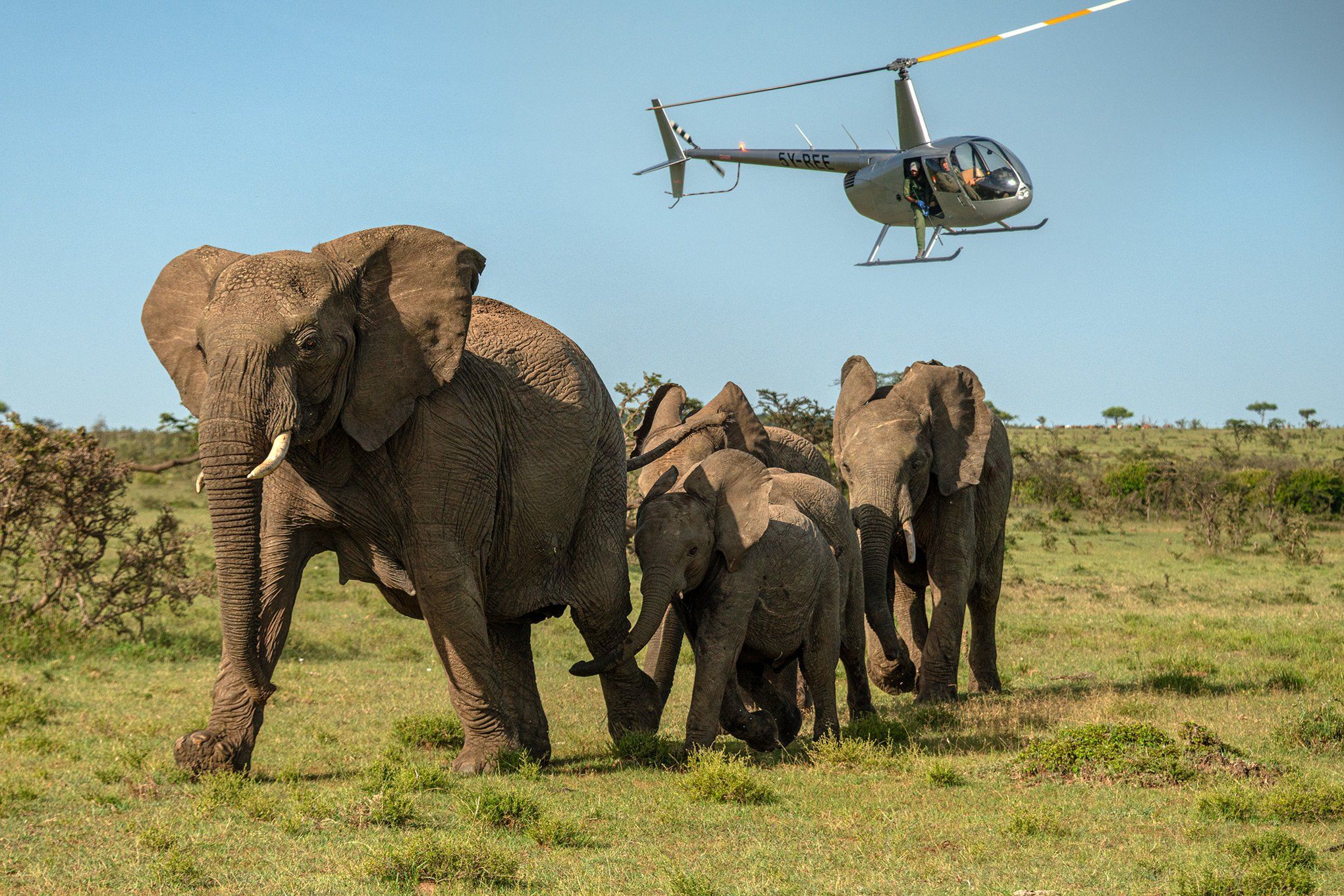
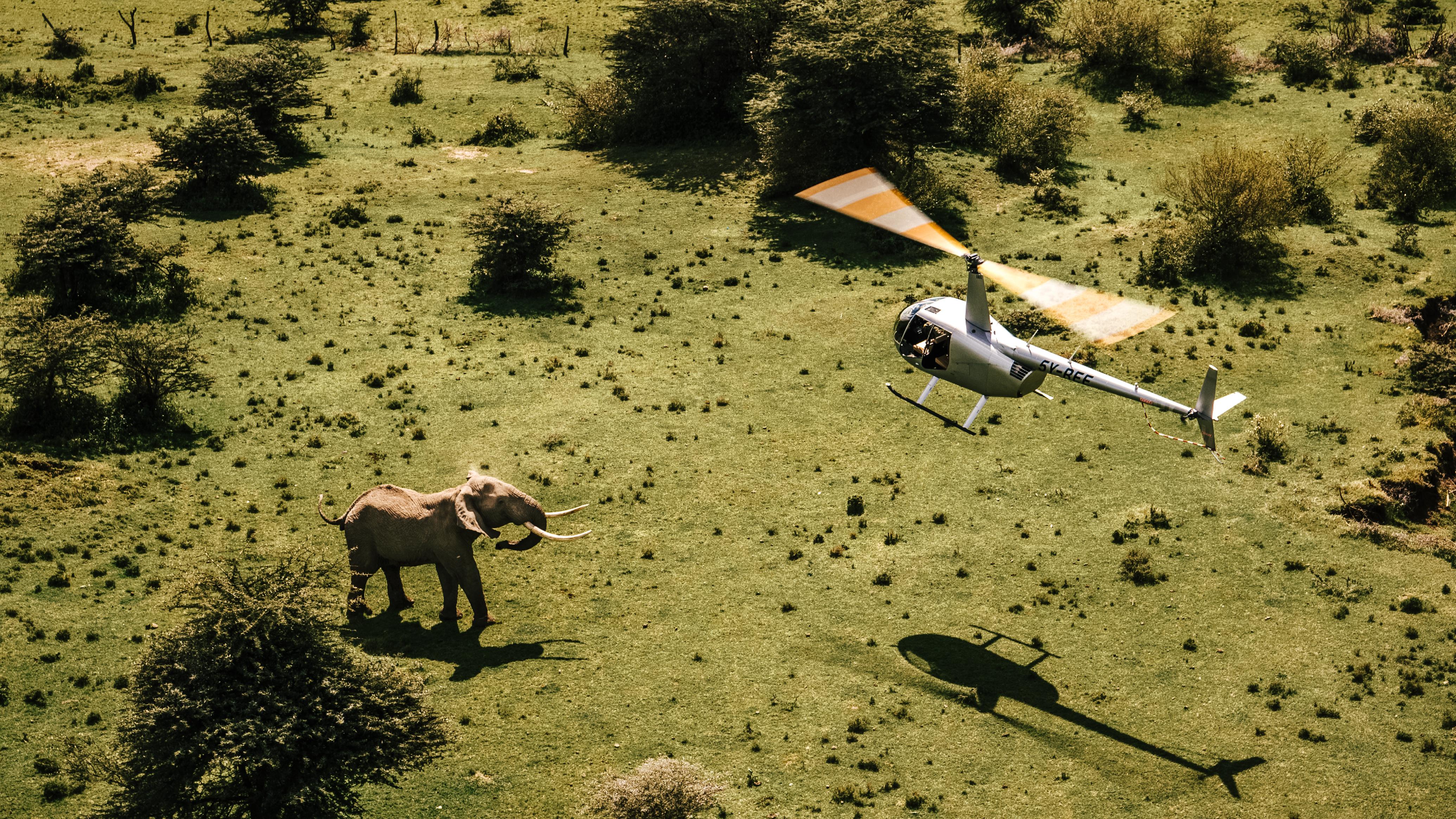
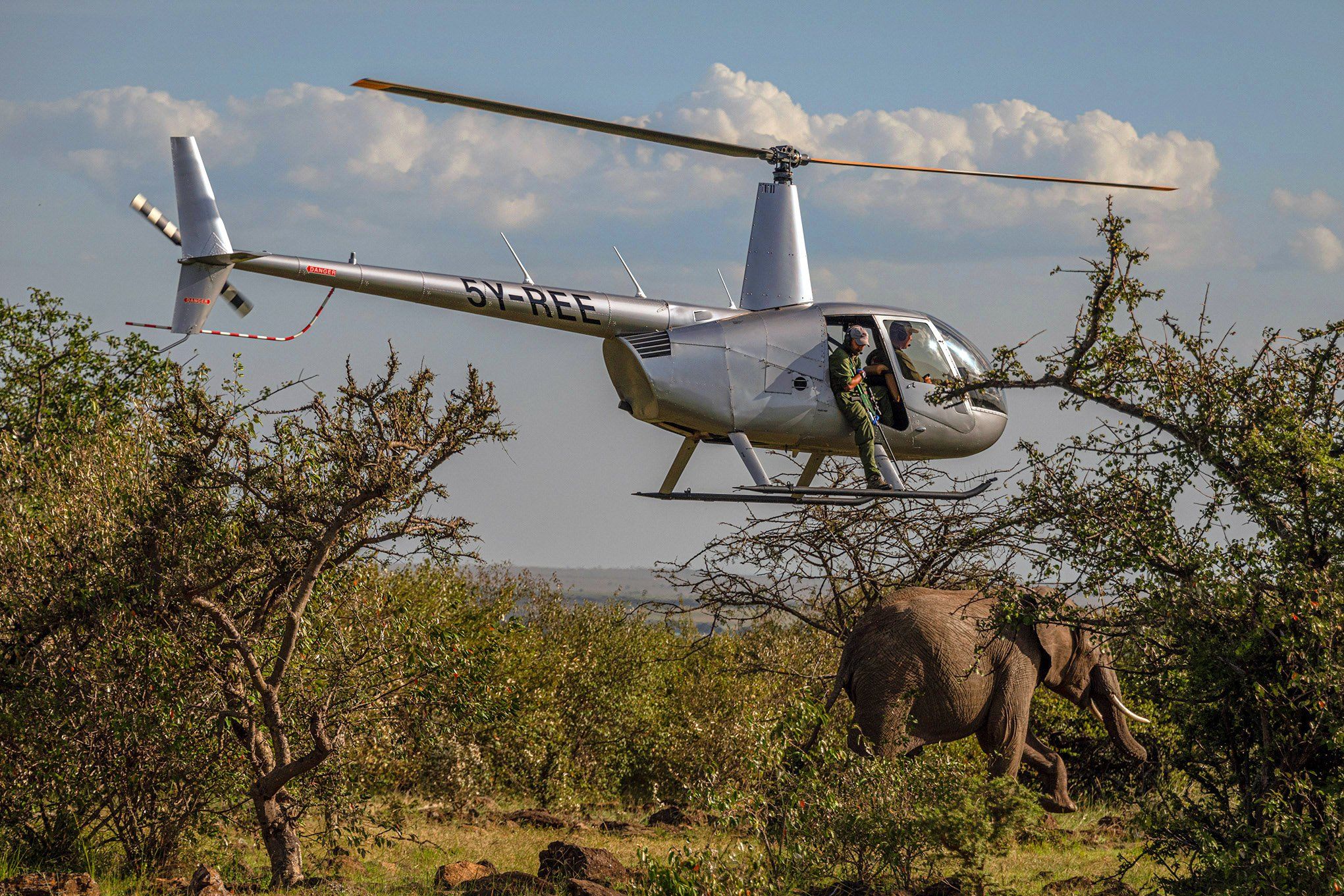
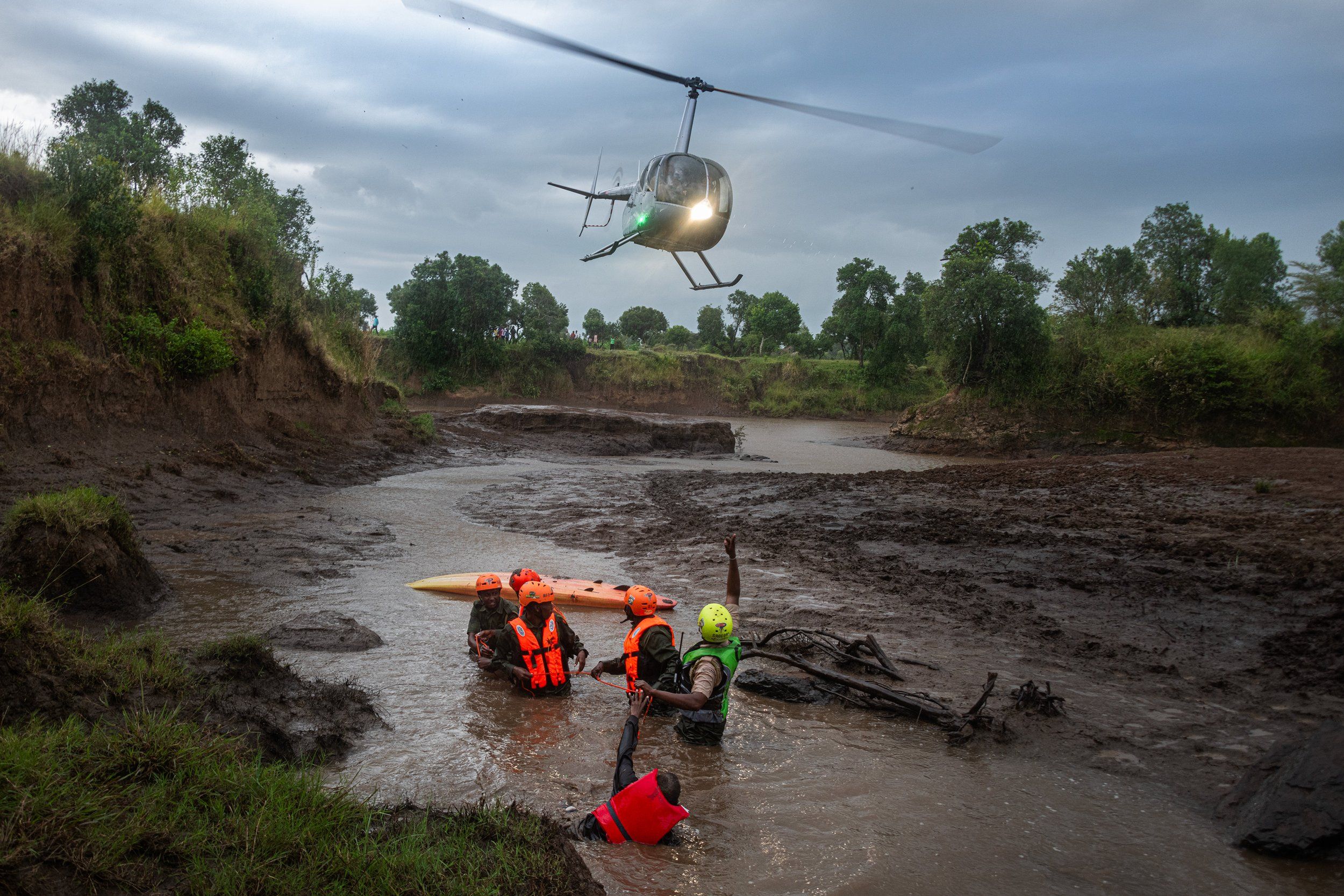
The helicopter has become one of MEP’s most important operational assets. It supports search and rescue, forest patrols, elephant darting and collaring, veterinary treatment, human-elephant conflict response, anti-poaching activity and emergency relief during severe flooding.
As Marc Goss, CEO and Pilot at Mara Elephant Project, put it:
“Now I don’t know what we would do without it.”
The Challenge
MEP’s helicopter can support several completely different missions in a single day.
A flight might involve a patrol, human-elephant conflict response, illegal activity identified from the air, or an emergency elsewhere in the ecosystem. Marc explained that on a busy day he could carry out as many as five different operations.
Without a reliable record of those movements, reconstructing exactly what happened became difficult. By the end of a month, or even a week later, remembering which flight happened when, where the helicopter went and what each leg was used for could become an administrative task in itself.
Traditional alternatives such as paper records, carrying a GPS and downloading tracks later, or manually sharing locations also meant information was always behind the aircraft’s actual movements.
For MEP, that created two challenges. Ground teams needed to know where the helicopter was while a mission was happening, and the organisation needed an accurate record of what happened afterwards.
That record is especially important for a donor-funded conservation organisation. MEP needs to clearly demonstrate how its helicopter is being used across patrols, conservation missions, research and emergency response.
Up to five different helicopter operations can take place in a single day, each needing to be accurately identified, recorded and reported.
The Solution: Fleet Manager Flight Tracking
Fleet Manager connects MEP’s helicopter operations with the teams coordinating and responding on the ground.
Its integration with EarthRanger brings the helicopter into the same operational picture as MEP’s other field assets. Rather than continually sending WhatsApp messages or manually explaining his location from the air, Marc can rely on the tracking data being available to the ground team.
When the helicopter identifies something from the air, the pilot can use the mark function to record the location. That might be suspected illegal logging, charcoal burning or another incident requiring investigation. MEP’s rapid-response teams can then use those coordinates to move towards the site.
This is particularly valuable because the pilot and ground team can have very different perspectives of the same area.
“From the ground, it’s a totally different sight picture”, says Marc.
A landmark that is obvious from the air may mean very little to a ranger several kilometres away. With the helicopter visible through EarthRanger, teams are not reliant on descriptions of a hill, tree line or other feature to work out where the aircraft is.
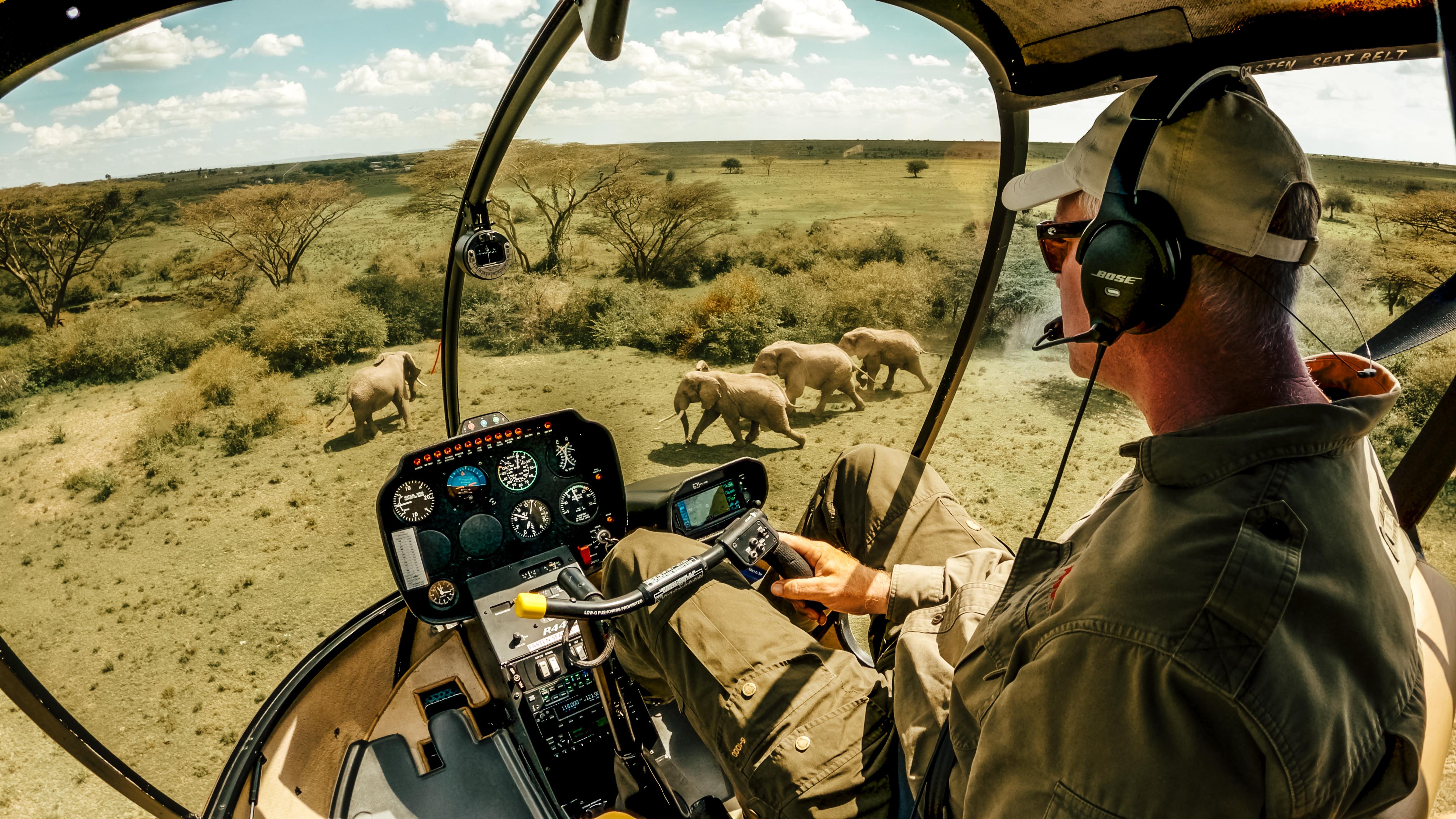
For Archie Petrie, Operations Consultant at Mara Elephant Project, the same functionality is valuable during high-workload flying. While preparing for a three-day elephant population survey and collaring operation, he described how the mark function could be used to quickly record areas of high elephant density without interrupting the task of flying the aircraft.
“You literally just press the button and it’s dropped. You’ve got your coordinates.”
Afterwards, the team can review the aircraft track, marked locations and area covered, creating a record that can support both analysis and reporting.
“You literally just press the button and it’s dropped. You’ve got your coordinates.”
- Archie Petrie, Operations Consultant
“You literally just press the button and it’s dropped. You’ve got your coordinates.”
- Archie Petrie, Operations Consultant
The Results: Proof, Precision, and Peace of Mind
Reporting Reduced from Days to Hours
Reporting Reduced from Days to Hours
One of the clearest measurable gains from Fleet Manager is in MEP’s reporting process.
MEP collects monthly data on both flight hours and mission type, allowing the organisation to understand not simply how long the aircraft flew, but what those hours were used for.
The Fleet Manager and EarthRanger integration makes that process significantly easier.
Without it, MEP would need to review individual aircraft tracks for the month and work out what mission each related to. That could mean going back through WhatsApp messages, emails and other records to match a particular flight with the activity taking place at the time.
Zablon Rioba, Geospatial Data Manager at Mara Elephant Project, estimates that this manual process could take approximately two to three days.
With the integration, flights can be associated with specific missions in EarthRanger and MEP’s automated workflows can help generate the corresponding flight hours. The same reporting work can instead be completed in hours.
Reporting that could take approximately two to three days can now be completed in hours.
For a donor-funded organisation, that has value beyond administrative efficiency, MEP can return to an activity months later and identify where the helicopter flew, how many hours were involved and what the aircraft was being used for.
That gives the organisation a more reliable way to demonstrate how one of its most important operational assets is being deployed across conservation, research and field operations.
Operational Visibility in the Field
Operational Visibility in the Field
Beyond reporting, that same visibility helps MEP turn aerial information into something the ground team can act on.
Through EarthRanger, MEP can see the helicopter alongside other operational assets, including ranger teams, vehicles and collared elephants.
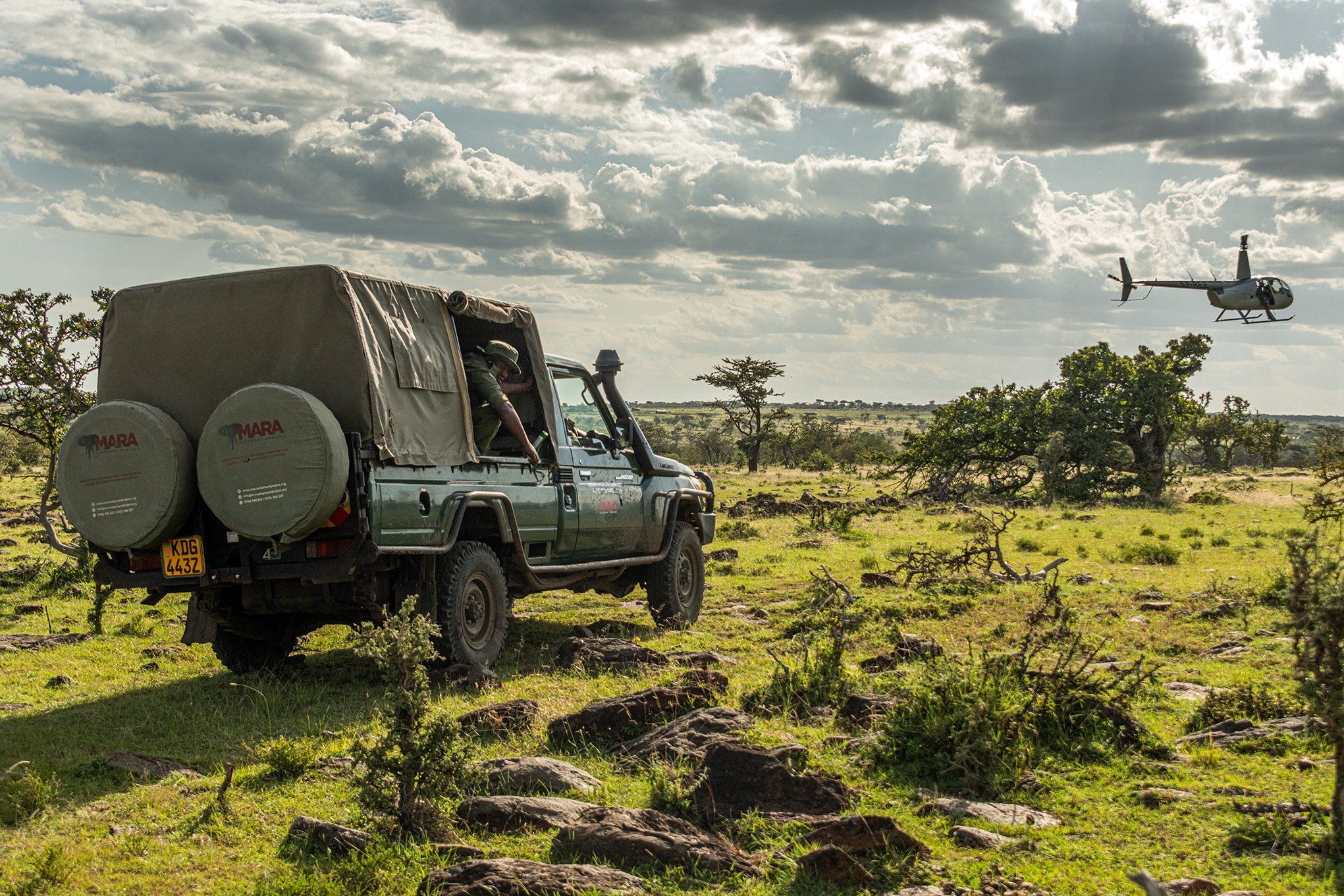
That gives the control team a clearer picture when coordinating activity in the field. If a ranger team needs to meet the helicopter, for example, MEP can see both assets and help direct the ground team towards the aircraft.
Without the integration, the team would need to retrieve the helicopter’s coordinates from Fleet Manager, send them manually to the ground team and rely on separate communication to understand whether they were heading in the right direction.
As Wilson Sairowua, Special Projects Manager and Pilot at Mara Elephant Project, explains:
“Fleet Manager makes MEP operations easier by enabling us to mark locations during flights and share them live, allowing teams to respond immediately.”
“Fleet Manager makes MEP operations easier by enabling us to mark locations during flights and share them live, allowing teams to respond immediately.”
- Wilson Sairowua, Special Projects Manager and Pilot
“Fleet Manager makes MEP operations easier by enabling us to mark locations during flights and share them live, allowing teams to respond immediately.”
- Wilson Sairowua, Special Projects Manager and Pilot
Pilot Safety and Faster Emergency Response
Pilot Safety and Faster Emergency Response
That visibility becomes even more important when a mission does not go to plan.
If a pilot experiences a problem or has to land unexpectedly, the team can see the aircraft’s position in near real time. The emergency alert provides another way to notify selected contacts and support a response.
Marc experienced the value of that firsthand when his helicopter suffered a starter failure on a mountain in Loita.
There was no mobile signal and the helicopter would not restart. Because the tracking device still had power, Marc was able to send his position.
Another helicopter was able to locate him approximately 1.5 hours after he sent his position, assess the situation and return with engineers. Marc was transported out while the aircraft remained on the mountain for a day or two for repairs.
“I don’t know how I would have done that without the Spider. I’d be walking for the next two days.”
The same visibility provides reassurance during everyday operations. With two pilots now flying for MEP, Marc can monitor the helicopter when another pilot is in the field and see when the aircraft has landed.
For an organisation operating in remote locations and carrying out demanding conservation missions, that visibility helps the team respond quickly if something goes wrong.
Less Administration, More Focus on the Mission
Less Administration, More Focus on the Mission
For pilots, the benefits also extend to reducing the amount of information they need to manually capture or reconstruct.
Marks can be recorded while flying, tracks are stored automatically, and mission information can be linked with the wider reporting workflow.
For pilots such as Marc and Archie, that means less focus on remembering flight details for later and more attention on the operation itself.
Preparing for a Two-Aircraft Fleet
Preparing for a Two-Aircraft Fleet
These operational benefits will become even more important as MEP’s aviation operation grows.
The organisation has ordered a second Robinson R66 helicopter and will move from operating one aircraft to two, supported by additional pilots.
With both helicopters visible, MEP will be able to understand where each aircraft is and make more informed decisions about how they are deployed.
If a new incident arises, the team can see which aircraft is best positioned to respond. If one helicopter is running low on fuel, the operation can be handed over to the other. Missions can be planned and aircraft rerouted with a clear view of where the fleet is already operating.
As Marc described it, MEP is moving from managing a single machine to managing a fleet.
Partnering for Continuous Improvement
As MEP’s aviation operation grows, Vellox will continue working with the team to help them get more value from Fleet Manager and its wider capabilities.
For MEP, Fleet Manager has become more than a way to see where a helicopter is on a map. It connects the aircraft with ground teams during active missions, creates a reliable operational record after every flight, supports pilot safety in remote locations, and provides the visibility needed as the organisation grows from one aircraft to a fleet.
Asked what he would tell another conservation organisation or aircraft operator considering the technology, Marc’s answer was simple:
“They need a Spider yesterday.”
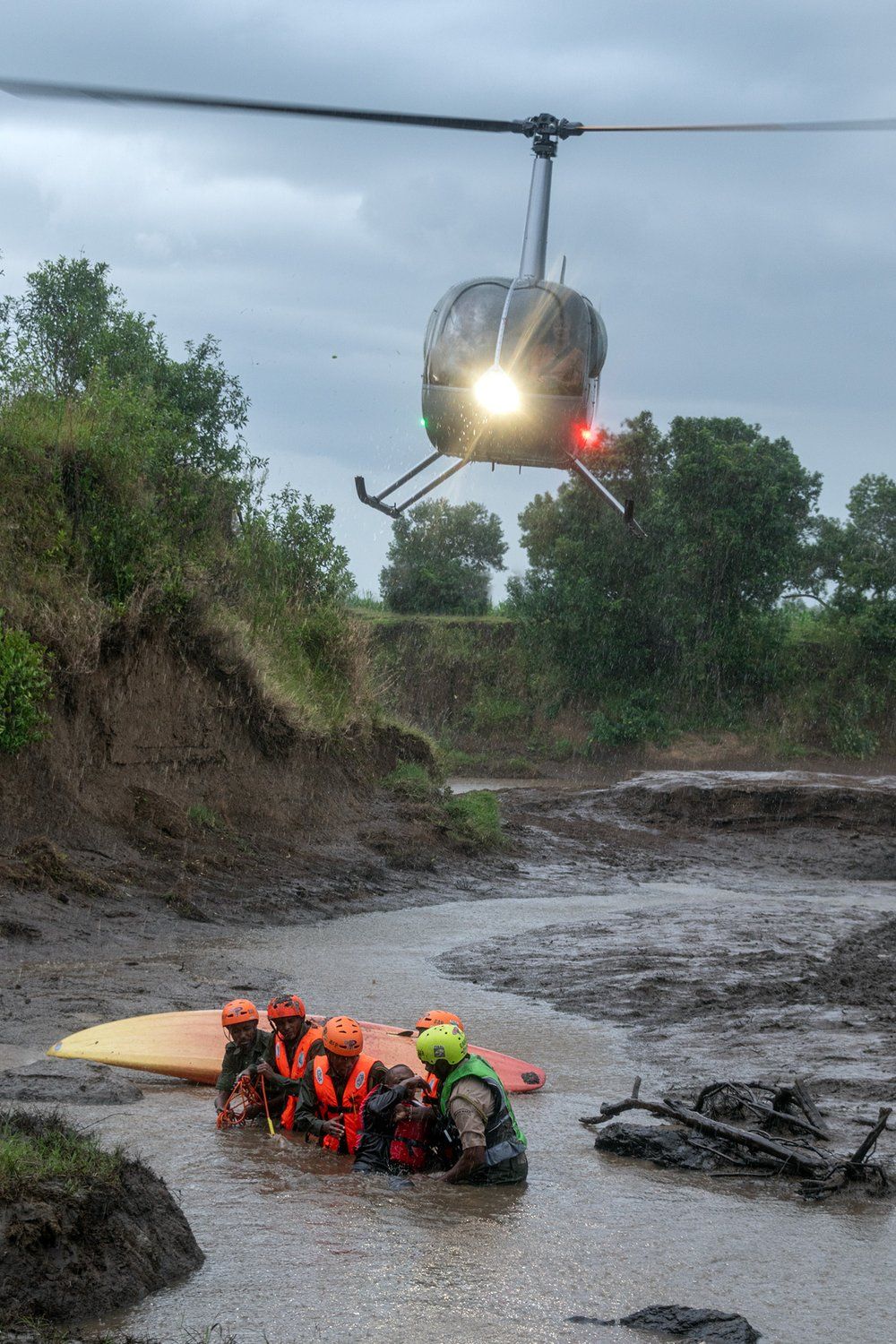
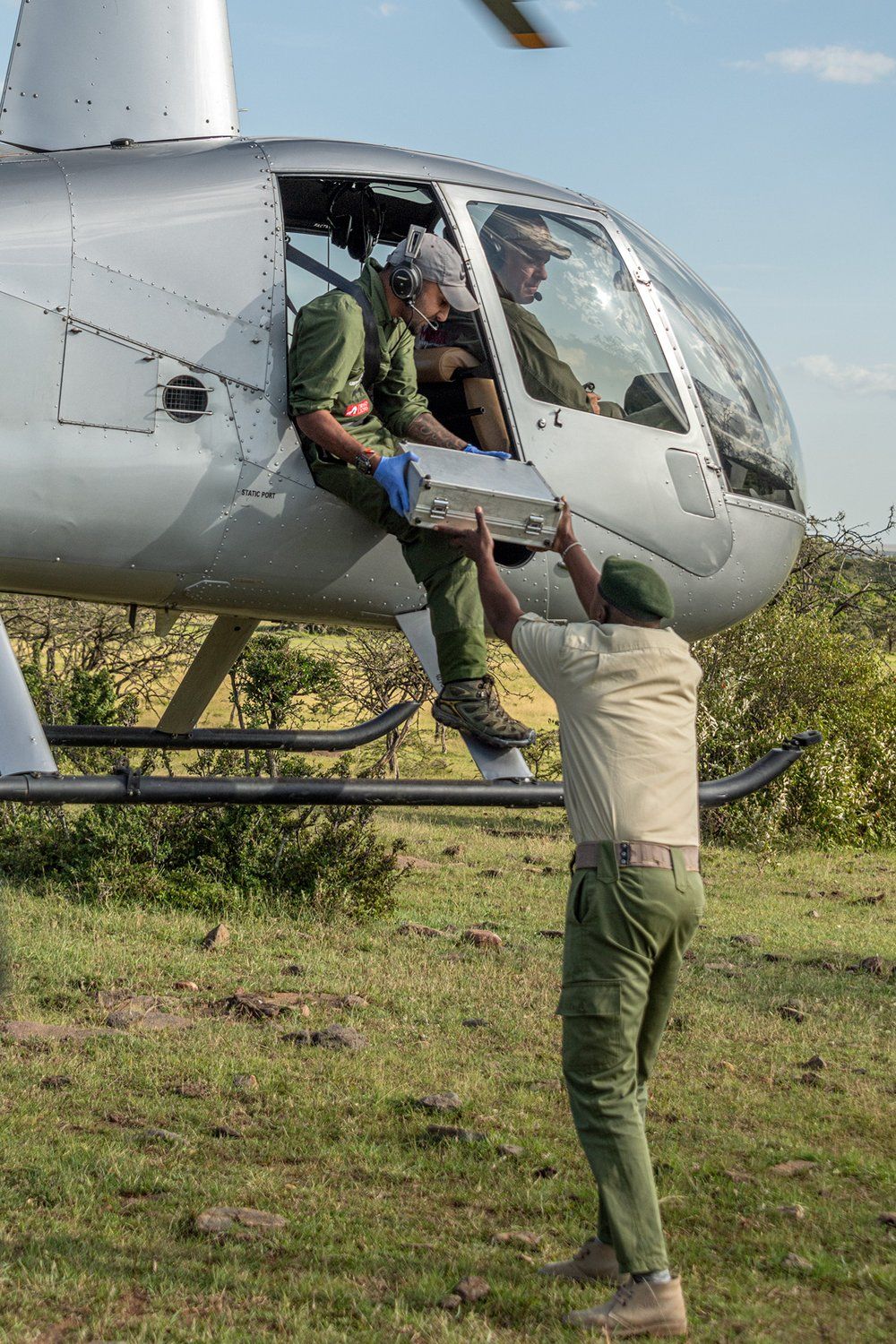
All photos supplied by: Mara Elephant Project (MEP)

Ready to See It in Action?
Discover how Fleet Manager gives operators like Mara complete operational visibility — from flight playback to real-time tracking.
Book a demo and see how HD flight tracking can elevate your safety, compliance, and customer confidence.
Book a Demo